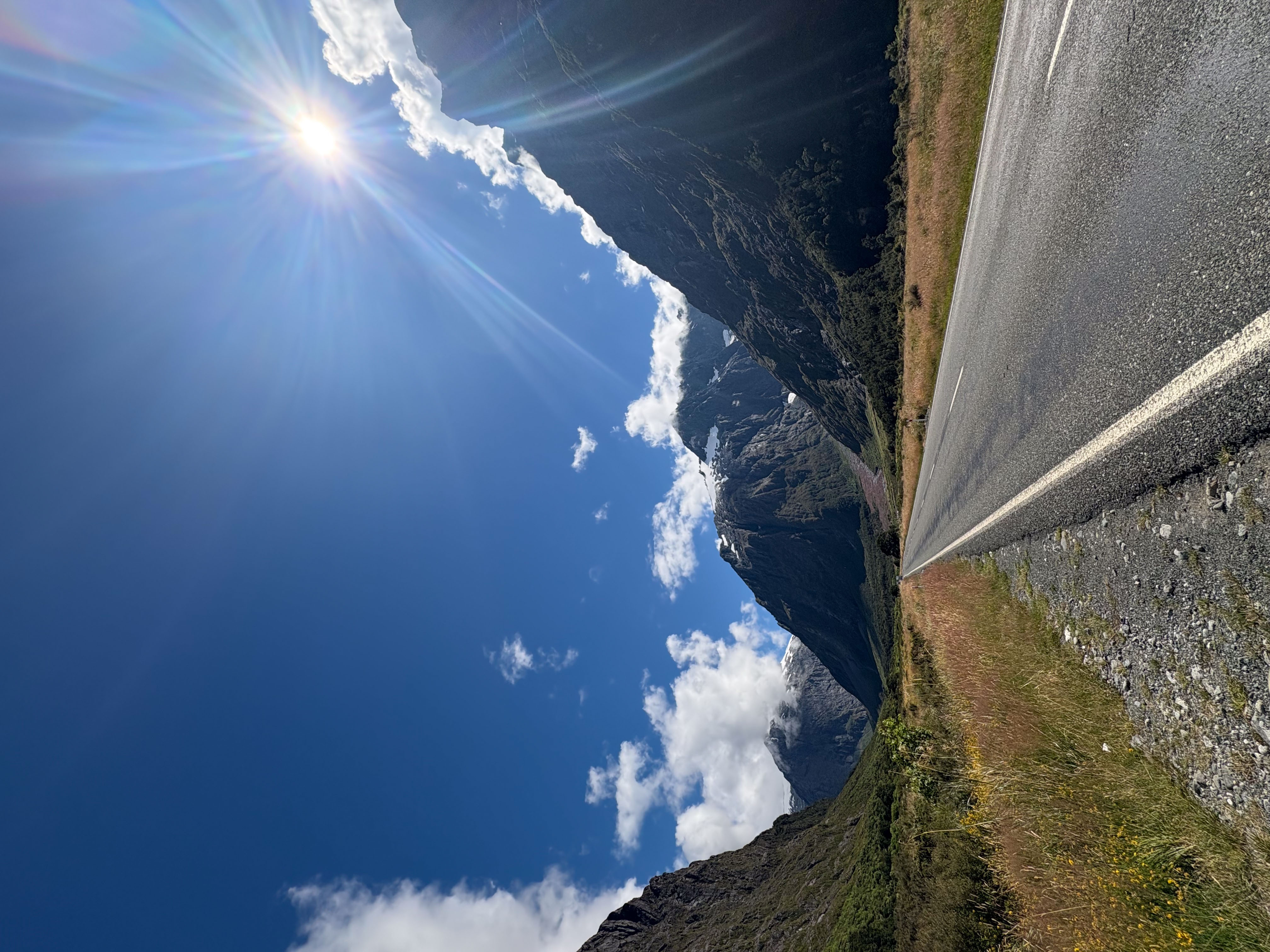
"The opposite of addiction is not sobriety. The opposite of addiction is connection."
A hobby is not a luxury in recovery — it is structural. Drinking and using filled hours, identity, and social life. Sobriety leaves a vacuum where those things used to be. A hobby fills that vacuum with something that is yours, that you chose, that gives more than it takes.
Three hours used to be a bottle and an evening. Now those hours are open. The mind, given empty time, drifts toward old grooves — toward the bar, the dealer, the screen. A hobby gives the mind something better to do.
It is also identity work. You are not just a person who does not drink. You are a person who paints, runs, builds, plays, learns. The substance was a small story about who you were. The hobby is the start of a bigger one.
Drawing, painting, photography, writing, music, pottery, woodworking. Making something with your hands rewires the brain in ways scrolling never will. The output does not have to be good — the act is the point.
Running, climbing, cycling, martial arts, hiking, swimming, dance. The body is the most reliable teacher of presence. Hard physical work is also one of the most underrated antidepressants.
Languages, instruments, coding, history, philosophy, cooking. Deliberate study at any age changes the brain. Pick something you would have wanted to know in another life and start.
Team sports, choirs, book clubs, board game nights, dance classes, volunteer work. Connection through shared activity is some of the best medicine in recovery — easier than small talk and just as bonding.
Gardening, fishing, walking the dog, birdwatching, working with wood, baking bread. Slow, repeating, embodied tasks. The kind of thing you cannot rush. The kind of thing that reminds you time is not the enemy.
Home projects, mechanics, electronics, furniture making, model building, restoration. Solving problems with your hands. Watching something broken become whole. There is no shortcut to that satisfaction.
The mistake is buying $400 of gear before you know if you like it. Borrow. Rent. Try the cheapest version. If it sticks past three weeks, then invest. If not, no harm done.
Pick something with low setup cost and a low first-day bar. Walking. Drawing in a $5 notebook. A library book. A pickup soccer game. The threshold should be so low you have no excuse.
Three pages, longhand, every morning. Free, transformative, and one of the most common practices among people in long-term recovery.
Cheap, alive, ask very little of you, teach patience. A windowsill of green changes the feel of a home.
YouTube has every lesson you need. A used guitar costs less than a weekend used to. Twenty minutes a day for a year and you are a player.
One new recipe a week. You will eat better, save money, and build a small skill that pays back every day for the rest of your life.
You already have one. Take a photo every day for a month. You will start to see the world differently — slower, with more attention.
An app, nine weeks, free. Thousands of people in recovery have done it. There is something about the steady forward motion that translates.
This Week
Just one. Pick something from this page or something you have always been curious about. Spend an hour on it. If you hate it, try another. The point is to start somewhere — anywhere.